
Moving Billboards: The Ultimate Guide to Vehicle and Bus Branding
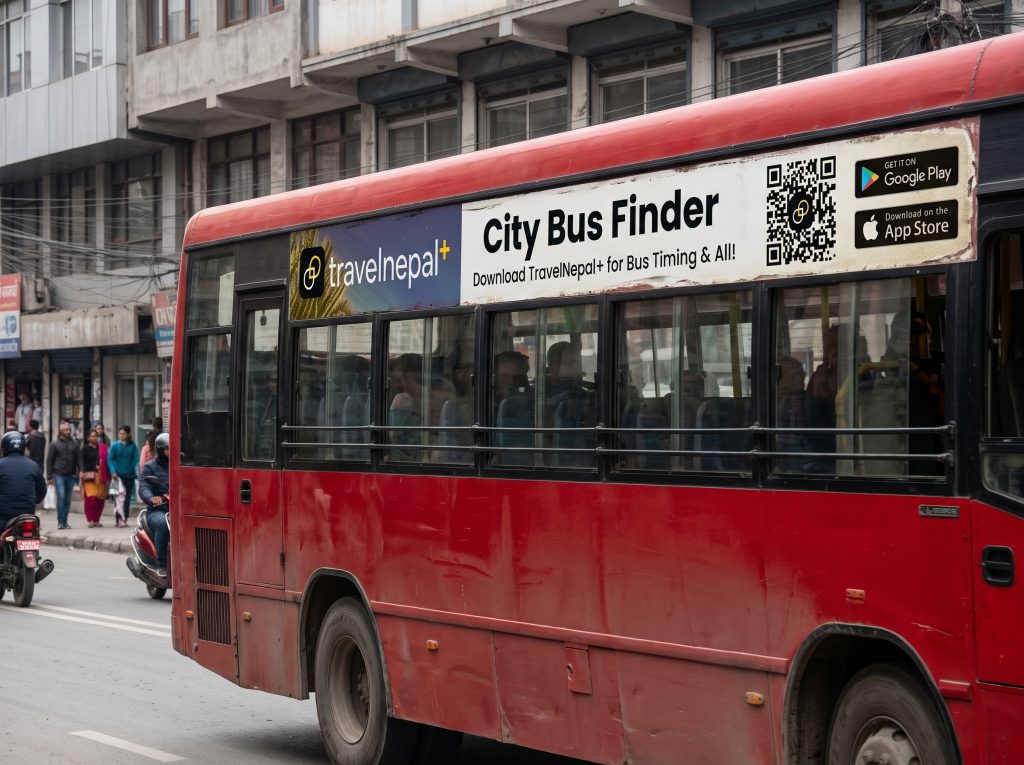
n a world where digital ads can be skipped, blocked, or swiped away in a fraction of a second, out-of-home (OOH) advertising remains a powerhouse. And when it comes to OOH, nothing captures attention quite like a moving billboard.
Vehicle and bus branding transforms everyday transportation into high-impact marketing assets. Whether it’s a fully wrapped city bus or a fleet of branded delivery vans, transit advertising takes your message directly to the streets.
But how exactly does this form of marketing work, and what goes into executing a successful bus branding campaign? Let’s break it down.
How Vehicle Marketing Works: The Science of the Moving Ad
Transit marketing relies on a few core advertising principles that make it incredibly effective for brand awareness and recall.
- Massive Unavoidable Reach: Unlike a stationary billboard that only targets people driving past one specific location, a branded bus travels through multiple neighborhoods, business districts, and residential areas. It actively brings the ad to the audience.
- The Captive Audience Effect: When advertising inside a bus, you are engaging a captive audience. Commuters spend an average of 30 to 60 minutes on their daily route. During this time, they are highly receptive to reading, watching, and absorbing the messaging around them.
- High Frequency and Repetition: Effective marketing requires repetition. Because buses run on consistent daily routes, regular commuters will see the same branded bus repeatedly. This repeated exposure builds subconscious brand recognition, so when a consumer needs your product, your brand is the first one they remember.
- Cost Per Impression (CPM): Vehicle wraps and transit ads boast some of the lowest CPMs in the advertising industry. A single wrapped bus in a busy city can generate tens of thousands of impressions in a single day, offering an exceptional return on investment.
How It’s Done: From Concept to the Streets
Creating a successful vehicle branding campaign is a blend of graphic design, material science, and strategic placement. Here is the step-by-step process of how it is executed:
1. Strategic Design and Conceptualization
Designing for a moving vehicle is entirely different from designing a flyer or a social media post.
- Keep it Bold and Simple: The vehicle will often be moving at 30+ km/h. The design must feature bold typography, high-contrast colors, and a single, clear message.
- Focus on the Essentials: A strong logo, a short tagline, and one clear call-to-action (like a website, phone number, or QR code) are all you need.
- 3D Considerations: Designers must account for the vehicle’s physical shape—door handles, windows, wheel wells, and curves—to ensure key text isn’t cut off or warped.
2. Material Selection and Printing
For exterior bus branding, specialized materials are required to withstand weather, UV rays, and road debris.
- Vinyl Wraps: High-quality, durable vinyl is printed using large-format outdoor printers.
- Perforated Window Film: For ads that cover windows, a perforated vinyl (often called “One-Way Vision”) is used. This allows the printed graphic to be visible from the outside while passengers inside can still see out clearly.
3. Professional Installation
The printed vinyl is carefully applied to the vehicle by trained professionals. They use heat guns and squeegees to stretch the vinyl over the vehicle’s curves, ensuring a smooth, paint-like finish without bubbles or peeling edges.
4. The Digital Evolution: In-Bus Digital Signage
While exterior wraps grab attention on the streets, the inside of the bus is experiencing a digital revolution. This is where modern tech companies are changing the game.
Instead of static paper posters, modern transit marketing uses digital signage ecosystems. Solutions like Slash Plus’s Digibuzz install high-definition screens inside city buses.
- How it’s done digitally: Brands can upload video commercials, dynamic graphics, and time-sensitive offers to a cloud-based Content Management System. The ads are then pushed wirelessly to screens across the entire bus fleet. This allows for animated, engaging content that static stickers simply cannot match.
Why Your Brand Needs Transit Marketing
Whether you are a local retail store looking to drive foot traffic or a national corporation building brand authority, vehicle branding puts you directly in the consumer’s line of sight. It is loud, it is proud, and it simply cannot be ignored.
Ready to take your brand on the road?From traditional transit advertising to cutting-edge in-bus digital screens, reach out to the Slash Plus team to learn how our Digibuzz platform can put your message in front of thousands of daily commuters.