
From Location Announcements to Cashless Commutes: The Evolution of Nepal’s Smart Bus
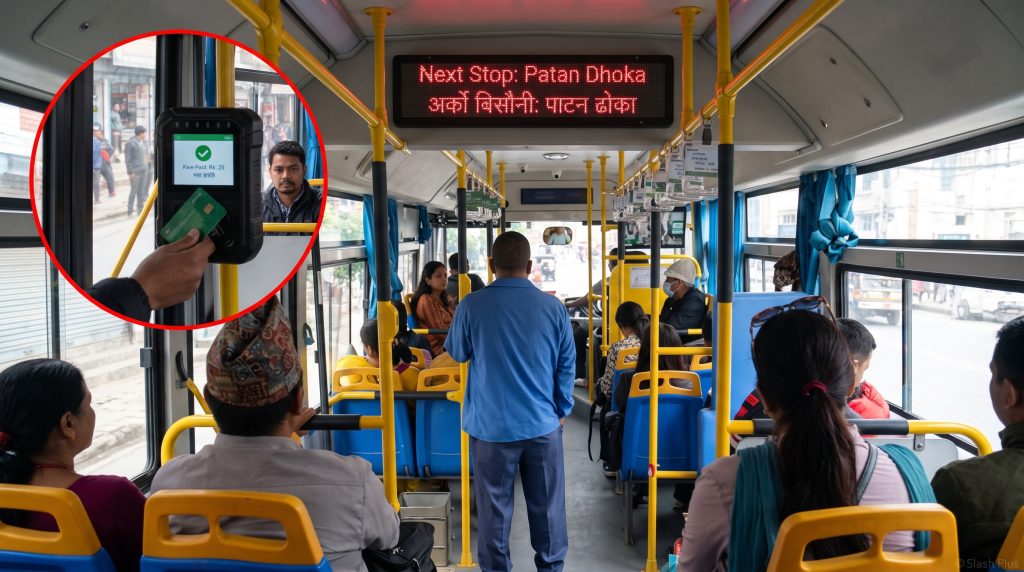
Navigating public transit in a bustling city like Kathmandu used to require a mix of guesswork and constant vigilance. Passengers had to constantly look out the window or repeatedly ask the conductor to ensure they didn’t miss their stop. Today, the landscape of urban mobility is entirely different.
Through rapid public transport digitalization, everyday transit is being transformed into a connected, data-driven, and highly user-friendly experience. Here is a look at how early tech integrations laid the groundwork for the modern smart bus, and how the transition to a fully cashless ecosystem is changing the way Nepal commutes.
The Foundation: Automated Location Announcements
The first major leap in modernizing the passenger experience happened years ago with the introduction of automated GPS location announcements. Before this, the barrier to entry for new riders whether they were tourists, students moving to the city or just commuters trying a new route was incredibly high.
Integrating automated audio-visual location announcements fundamentally changed this dynamic:
- Stress-Free Navigation: By using precise GPS tracking, buses could automatically announce the upcoming stop over the cabin speakers and display it on an internal screen.
- Empowering New Users: This technology instantly removed the anxiety of getting lost. Everyone on board knew exactly where they were and when to head for the door, making public transit accessible and welcoming for first-time users.
- Operational Efficiency: It freed conductors from having to shout out stops over the engine noise, allowing them to focus on cabin safety and fare collection.
This foundational step proved that hardware and software could seamlessly work together in a moving vehicle, setting the stage for the next massive upgrade in transit tech.
Sajha Yatayat and the Move to a Cashless Ecosystem
While location announcements solved the problem of navigation, the ultimate goal of transit digitalization is solving the friction of transactions. We are now witnessing this structural shift with massive fleets like Sajha Yatayat, which is championing the transition toward a frictionless, cashless public transport model.
Why Going Cashless is a Game-Changer for Operators
Moving away from physical currency is not just about passenger convenience; it is a critical operational upgrade powered by Slash Plus.
- Zero Revenue Leakage: Cash handling on crowded buses inevitably leads to miscounts, lost coins, or uncollected fares. Digital payments ensure that every single transaction is accurately recorded and routed directly to the operator’s bank account.
- Faster Route Times: Cash transactions create bottlenecks at the door. Tap-and-pay systems process fares in milliseconds, reducing idle time at stops and keeping buses strictly on schedule.
- Data-Driven Analytics: When every ticket is digitized, fleet managers gain access to rich data. Operators can instantly analyze peak boarding times and high-traffic transit corridors, allowing them to optimize their fleet deployment and maximize ROI.
Building the Integrated Smart Bus with Slash Plus
A true smart bus is an ecosystem where passenger interfaces, GPS tracking and payment gateways communicate flawlessly.
From the early days of establishing automated location announcements to facilitating advanced tap-and-pay card systems for major operators like Sajha Yatayat, Slash Plus provides the robust technical architecture necessary for this evolution. By centralizing transit hardware and financial software into one unified platform, we are actively driving the public transport digitalization of Nepal ensuring operators increase their profitability while giving passengers the modern, seamless commute they deserve.